
Why Your Thyroid Labs Can Look “Normal” While You Still Feel Awful
When the numbers say you’re fine, but your body is telling a different story.

Most labs use a wide reference range for TSH (often about 0.4 to 4.5).
Research shows that the large majority of people without thyroid disease have a TSH below 2.5. When your result sits higher in the “normal” range and you have symptoms, it deserves a closer look.
A basic test also does not show the full picture. It may miss how well your body is converting thyroid hormone into its active form, and it may miss early autoimmune activity.
You’re not imagining it…
You feel exhausted
Your mind is foggy
You’re colder than usual
Your weight won’t shift
Your hair is thinning
You had blood tests, were told everything looks “normal,” and still feel unwell. This is especially common in the years leading up to menopause.
Why “normal” does not always mean optimal
·
Why “normal” does not always mean optimal ·
Five things that are often overlooked
-

1. Your TSH is “normal” but on the higher side
A result of 3.0 or 3.5 may be labelled normal. For many women with symptoms, this is not where they feel their best.
-
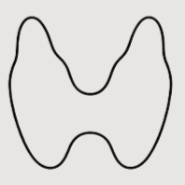
2. The active thyroid hormone (Free T3) was never checked
Your body needs to convert storage hormone (T4) into the active form (T3). This step can slow down with stress, inflammation, or hormonal changes. A normal TSH does not guarantee that Free T3 is adequate.
-

Adapt as Needed
Every project is different. We stay flexible and responsive to make sure the process fits your flow—not the other way around.
-

Deliver with Confidence
When we deliver, it’s not just a finished product—it’s a solution you can trust, backed by real care and effort.
WHAT SETS US APART

Integrity, creativity, and empathy shape the way we work. These aren't just words—they’re the foundation of everything we build. We believe in doing great work, building real relationships, and making it easy for you to get the results you’re looking for.
LET’S GET STARTED